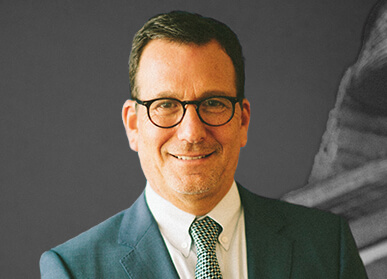
Posts Tagged ‘Roy Oppenheim’

What are zombie titles?

Monday, April 8th, 2013

Roy Oppenheim was quoted in the following article, which was originally posted on loans.org written by Rebekah Coleman and is being redistributed on the South Florida Law Blog with their permission.

What are zombie titles?

Zombie titles occur after a homeowner defaults, but when a lender never follows through with the foreclosure.

Although a mortgage loan servicer may notify a borrower in default that foreclosure proceedings have begun, the lender is under no obligation to continue with the process. When homeowners are given a foreclosure notice, many leave their properties because they believe they will be evicted.

During this time, however, the borrower in default is still liable for the property, even though he or she no longer lives there and is not aware of the fact that he or she still owns it.

Homeowners are legally liable for their home which means they are responsible for property maintenance costs, utilities, and taxes — all for properties they don’t realize they still legally own.

The start of zombie title issues became pronounced during the mortgage crisis. Roy Oppenheim, co-founder and partner of Oppenheim Law, said banks took shortcuts for underwriting, appraising, and securitizing.

It was a crazy time,” he said. “They were securitizing loans faster than they were originating them.”

Tanya Marchiol, CEO of Team Investments, a real estate firm, said foreclosed homeowners cannot leave their house in shambles and expect the bank to pick up the pieces.

“It is your responsibility to know what is going on with your house,” she said. “The bank can cancel the foreclosure and never tell the homeowner.”
(more…)

Bill to fast track foreclosures has sparked a rare internal Florida Bar fight

Friday, March 29th, 2013

Below is a condensed version of an article written by Paola Iuspa-Abbott in The Daily Business Review. which included Roy Oppenheim .

dbr_logo_print_media_events

A controversial bill that aims to fast track foreclosures has sparked a rare internal fight among members of an influential Florida Bar section.

On one side are Bar members who assist homeowners facing foreclosure. Opposing them are members of the Bar’s Real Property, Probate and Trust Law Section who not only decided to support the foreclosure bill this year but also hired a lobbyist to get the bill passed in Tallahassee.

Members of the Real Property section say the bill offers many new protections to distressed homeowners and buyers of repossessed homes.

HB 87 is moving quickly through the House. But SB 1666 still needs to clear three Senate committees before it would receive a full vote.

“Under this bill, the presumption of innocence would be destroyed,” Oppenheim said.

This is the fourth year in a row a bill seeking to expedite foreclosures is before the Legislature.

In the past, Oppenheim was among Bar members who reviewed any proposed foreclosure legislation.

“Last year, we had people on my subcommittee who agreed with me that we didn’t like a lot of the stuff in the bill, so the Bar never agreed to approve or disapprove anything,” Oppenheim said, citing a measure that passed the House but died in the Senate for lack of action.

He was part of the section’s Mortgage and Encumbers Subcommittee until last year, when it was dismantled without notice, he said. The section was restructured and the Foreclosure Reform Ad Hoc Committee was created to help shape the proposed legislation. Oppenheim claimed he was left off the ad hoc committee because of his history of opposing foreclosure bills at a time when the section was eager to see the bill pass.

(more…)

Florida Foreclosure legislation invites bank fraud

Saturday, March 23rd, 2013

The following Miami Herald article was written by Roy Oppenheim and is being republished in the South Florida Law Blog.

Florida proposed legislation - HB 87 and SB 1666 - which backers claim will clear the backlog of foreclosure cases in Florida instead invites bank fraud and creates more problems by putting speed ahead of justice.

The backlog is blamed on foot dragging by homeowners. In reality, banks are to blame due to federal directives to pursue loss mitigation alternatives or by voluntarily slowing down the process to explore settlement options in the interests of both parties and the market.

However long it takes to conclude a foreclosure in Florida, given the magnitude of bank fraud, forgery and abuses that the banks admitted to, we should exempt this category of civil court cases from “time to complete” requirements.

Public policy decisions should not be based on unverified, incorrect and misleading information, particularly when that data is provided by the same industry that admitted wrongdoing.

The next problem behind any push for foreclosure reform is that the market is improving. Florida home prices have rebounded, due in part to the fact that banks and homeowners are managing the backlog of foreclosures.

Short sales and negotiated resolutions which yield higher returns than faster foreclosures would disappear under the proposed legislation.

Only institutional buyers will win. When they buy in bulk, they exclude Realtors who profit from short sales and other end user transactions. Instead of supporting this legislation, Florida’s Realtors should take California’s lead and oppose attempts to speed up foreclosures.
(more…)

Smoke clears to reveal Vatican Bank and U.S. banks have much in common

Wednesday, March 20th, 2013

An edited version of this post by Roy Oppenheim was first published in US News and World Report’s Home Front Blog and is being redistributed on South Florida Law Blog with their permission.

White smoke coming from the Sistine Chapel at the Vatican indicates a new pope.

Now that the smoke has cleared in Vatican City – both figuratively and literally – and the Catholic Church has new leadership, one of the many issues facing Pope Francis is the pressure being exerted on the Vatican to clean up its bank.

Steeped in decades of secrecy, the Vatican Bank has been under mounting pressure in recent years to clean up its act or face global financial instability.

On the one side are those seeking greater transparency, on the other are those seeking to preserve status quo and continue to operate under a blanket of secrecy.

The Vatican Bank and America’s banks have much in common – both have lost their way and now efforts are underway in Italy and in the U.S. to reign them in and clean them up.

The Vatican Bank was created in the 1940’s and was seen as a way to get money to Eastern Bloc countries to bring an end to Communism. Today, it’s said that the bank helps the Vatican operate in places such as Cuba. A noble beginning to be sure, but in recent years there have been allegations of money laundering and the disappearance of millions.

European agencies that monitor financial institutions are pushing for change much like lawmakers in the U.S.

In recent months, several lawmakers, including Massachusetts Senator Elizabeth Warren have sounded the alarm that tougher action against banks is needed.

(more…)


PHP/MySQL Components, WordPress Plugins, and Technology Opinions at TravisWeston.com

Bad Behavior has blocked 8269 access attempts in the last 7 days.